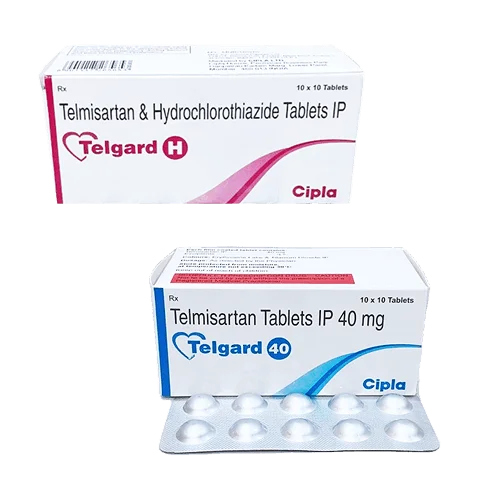
Telgard 40 mg medicine is considered therapeutically equivalent to other Telmisartan-based blood pressure medications and may be available as both branded and generic formulations. Generic telmisartan products are often selected because they provide similar effectiveness at a more affordable price compared to branded versions.
Telgard 40 mg is intended for adults and should only be used under medical supervision. Although this blood pressure medication helps control hypertension and related symptoms, it does not permanently cure the underlying condition. Long-term treatment, lifestyle modifications, and regular monitoring are often necessary for effective blood pressure management.
Benefits of Telgard:
Telgard 40 mg helps lower high blood pressure by improving blood flow and reducing pressure within the arteries. Proper blood pressure control may lower the risk of serious complications such as stroke, heart attack, heart failure, and kidney problems. Many patients choose Telgard because it offers once-daily dosing convenience and provides long-lasting blood pressure control throughout the day.
Telmisartan is generally well tolerated and begins working within a few hours after administration, although full blood pressure benefits may develop gradually over several weeks. Compared with some older blood pressure medications, ARBs like Telgard may cause fewer side effects such as persistent dry cough.
Another advantage of Telgard medicine is the availability of generic Telmisartan formulations, which may provide cost-effective treatment options for long-term hypertension management. Doctors commonly prescribe this medication because of its proven cardiovascular benefits, convenient dosing schedule, and established safety profile when used appropriately.
Working of Telgard:
Telgard 40 mg contains Telmisartan, an angiotensin II receptor blocker (ARB). Angiotensin II is a hormone naturally produced in the body that causes blood vessels to narrow and tighten. It also stimulates the release of hormones that increase sodium and water retention, which can further raise blood pressure.
In people with hypertension, increased blood vessel constriction and fluid retention place extra strain on the heart and circulatory system. Over time, uncontrolled high blood pressure may damage blood vessels, the heart, kidneys, brain, and eyes.
Telmisartan works by selectively blocking angiotensin II from attaching to specific receptors known as AT1 receptors found in blood vessels and other tissues. By blocking this pathway, blood vessels relax and widen, reducing vascular resistance and improving blood circulation.
Dosage of Telgard:
The dosage of Telgard 40 mg Tablet depends on the patient’s condition, response to therapy, and overall medical history. Always follow your healthcare provider’s instructions carefully.
- Creon is available in several strengths, including 10000, 25000, and 40000 units of lipase per capsule. The dose is individualized based on the patient’s condition and dietary intake.
- Standard adult dose: Often 40 mg once daily
- Some patients may start with lower doses
- Dosage may be adjusted depending on blood pressure response
- Maximum doses are determined by the prescribing physician
Precautions for Telgard:
Before taking Telgard 40 mg, inform your healthcare provider if you have allergies to Telmisartan or similar blood pressure medicines. Patients with kidney disease, liver disease, dehydration, electrolyte imbalances, or heart conditions may require careful monitoring during treatment.
Pregnant women should avoid Telmisartan because it may harm the unborn baby, especially during the second and third trimesters. Breastfeeding women should consult their doctor before use. Elderly patients may be more sensitive to blood pressure changes and dizziness.
Alcohol may increase the risk of dizziness or low blood pressure while taking Telgard. Patients should avoid sudden standing movements if feeling lightheaded. If dizziness occurs, avoid driving or operating heavy machinery until symptoms improve.
Regular blood pressure checks and laboratory monitoring may be recommended during long-term therapy. Do not self-adjust the dosage or stop treatment without medical guidance.
Side Effects of Telgard:
These side effects are usually mild and temporary:
Common Side Effects
- Dizziness
- Nausea
- Fatigue
- Sinus congestion
- Headache
Serious Side Effects
- Severe allergic reaction
- Swelling of the face, lips, or throat
- Breathing difficulty
- Severe dizziness or fainting
Warnings for Telgard:
Telgard 40 mg Tablet may interact with other medications, including diuretics, potassium supplements, lithium, NSAID pain relievers, ACE inhibitors, and certain other blood pressure medications. Combining these medicines without supervision may increase the risk of kidney problems, electrolyte imbalance, or excessively low blood pressure.
Patients with severe kidney disease, liver impairment, dehydration, or narrowed kidney arteries should use Telmisartan cautiously. The medicine is generally contraindicated during pregnancy due to potential fetal harm.
Avoid excessive potassium intake or potassium-containing salt substitutes unless approved by your doctor. Regular medical supervision is important during long-term therapy to monitor blood pressure, kidney function, and electrolyte levels.
Store Telgard tablets at room temperature away from moisture and heat. Keep the medicine out of reach of children.