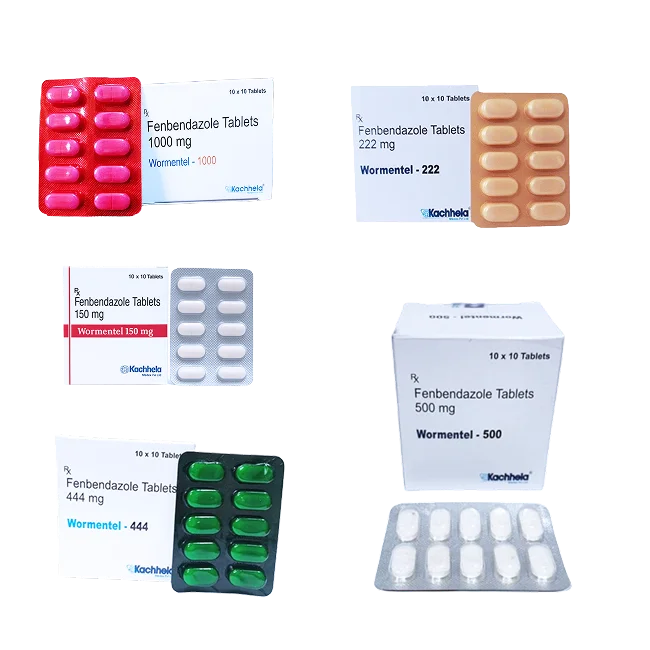
Fenbendazole formulations are typically designed for veterinary use in animals such as dogs, cats, livestock, and other species. In some research contexts, fenbendazole has also been studied for its effects on cellular processes. However, the medication should only be used for the approved species and indications recommended by a licensed veterinary professional.
Fenbendazole 222 mg, Fenbendazole 444 mg, 150 mg, 500 mg, and 1000 mg works specifically when parasitic worms are present in the digestive system and susceptible to the drug’s mechanism of action. It is not intended for general preventive supplementation unless directed by a veterinarian.
Benefits
Treating parasitic infections in animals is essential for maintaining digestive health, improving nutritional absorption, and preventing complications related to chronic infestations. Fenbendazole-based treatments may help restore overall health by eliminating harmful parasites.
Potential benefits include the following:
- Effective treatment of common intestinal worms
- Improved digestive health in animals affected by parasites
- Enhanced psychological well-being
- Reduction of parasite-related complications
- Improved overall well-being in treated animals
The effectiveness of treatment depends on correct dosing, parasite type, and veterinary supervision.
Benefits of Fenbendazole
- Broad-spectrum anthelmintic activity against several intestinal parasites
- Available in multiple dosage strengths (150mg, 222mg, 444mg, 500mg, 1000mg) for flexible dosing
- Onset of action: Begins affecting parasites after absorption in the digestive tract
- Duration of action: Continues working during the treatment course until parasites are eliminated
- Frequently administered as a short treatment regimen
- Generic medication often available at lower cost compared to branded alternatives
- Well-established use in veterinary parasitic infection management
Fenbendazole addresses existing parasitic infections but does not prevent reinfection without proper hygiene and parasite control practices.
Working / Mechanism of Action
Fenbendazole 222 mg, Fenbendazole 444 mg, 150 mg, 500 mg, and 1000 mg acts by interfering with the internal cellular structure of parasitic worms.
- Fenbendazole binds to β-tubulin, a structural protein involved in the formation of microtubules in parasite cells.
- Microtubules play a critical role in cellular transport, nutrient uptake, and structural integrity.
- By binding to β-tubulin, fenbendazole disrupts microtubule formation.
- This interference prevents parasites from absorbing glucose and other nutrients.
- The enzyme phosphodiesterase type 5 (PDE5) normally breaks down cGMP.
- Without adequate energy, the parasite’s metabolism collapses.
- The weakened parasite eventually dies and is eliminated through the digestive system.
Because parasite cells rely heavily on microtubule function, Fenbendazole 222 mg, Fenbendazole 444 mg, 150 mg, 500 mg, and 1000 mg selectively affects these organisms at recommended doses.
Dosage
Standard Dose
- Dosage varies depending on animal species, body weight, and type of parasite infection.
- Common veterinary dosing protocols may involve daily treatment for several consecutive days.
Frequency
- Often administered once daily for 3–5 days, depending on veterinary instructions.
Timing
- Typically given with food to improve absorption and tolerance.
Administration Method
- Tablets or powders are administered orally.
- May be mixed with food or administered directly as directed by a veterinarian.
Special Population Considerations
- Young animals require weight-based dosing adjustments.
- Pregnant or nursing animals should receive veterinary evaluation before treatment.
- Animals with liver disease should be monitored closely during treatment.
Always follow your healthcare provider’s instructions.
Precautions
Before administering fenbendazole, consult a veterinarian if the animal:
- Has a known allergy to benzimidazole drugs
- Is pregnant or nursing
- Has underlying liver disease
- Is receiving other medications
Lifestyle Considerations
- Maintain proper sanitation of living areas to prevent reinfection.
- Dispose of feces promptly to reduce parasite transmission.
- Regular veterinary check-ups may help monitor parasite control.
Animals undergoing treatment should be observed for any unusual reactions.
Side Effects
Fenbendazole is generally well tolerated in animals when used at recommended doses.
Common Side Effects (Usually Mild and Temporary)
- Mild digestive upset
- Temporary loss of appetite
- Vomiting or diarrhea in some cases
These effects typically resolve on their own.
Severe Side Effects (Seek Immediate Medical Attention)
- Severe allergic reactions (swelling, difficulty breathing)
- Persistent vomiting or weakness
- Neurological symptoms (rare)
Contact a veterinarian immediately if serious symptoms occur.
Warnings
Drug Interactions
Fenbendazole 222 mg capsule, Fenbendazole 444 mg, 150 mg, 500 mg, and 1000 mg may interact with other medications used in veterinary care. Always inform the veterinarian about:
- Antiparasitic medications
- Antibiotics
- Anti-inflammatory drugs
- Nutritional supplements
Contraindications
Avoid use if:
- The animal has a known hypersensitivity to fenbendazole
- A veterinarian advises against its use for the specific animal or condition
Pregnancy and Breastfeeding
Use only under veterinary supervision when treating pregnant or breeding animals.
High-Risk Populations
Animals with severe systemic illness or compromised immune systems should receive careful monitoring during treatment.