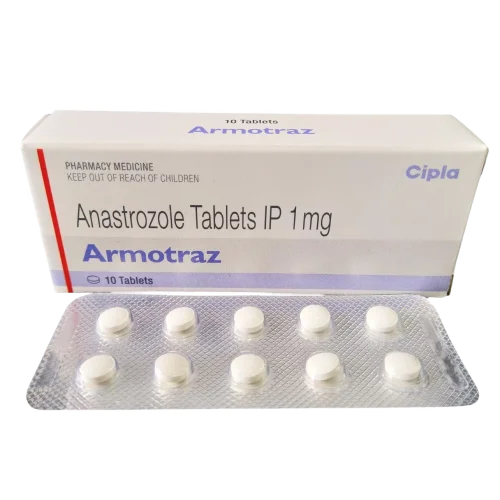
Armotraz medication works effectively only when the cancer cells are estrogen-dependent, meaning they rely on estrogen for growth. By lowering the body’s estrogen production, Armotraz helps limit hormonal stimulation of cancer cells and supports ongoing cancer management when used under medical supervision.
Benefits:
Armotraz 1 mg plays an important role in hormone therapy for breast cancer management. By lowering estrogen levels, the medication helps reduce the stimulation of hormone-sensitive cancer cells, which may slow the progression of the disease.
In addition to its clinical benefits, consistent treatment with Armotraz may support improved long-term outcomes, reduce the risk of cancer recurrence, and provide reassurance for patients undergoing breast cancer treatment as part of a broader medical care plan.
Benefits of Armotraz:
Effectiveness: Armotraz (anastrozole) is widely used and clinically studied for treating estrogen receptor-positive breast cancer in postmenopausal women.
Onset Time: The medication begins lowering estrogen levels within hours of administration, although therapeutic effects develop gradually with consistent use.
Duration of Action: A single daily dose maintains continuous suppression of estrogen production in the body.
Cost Comparison: Generic formulations such as Armotraz are often more affordable compared to some branded hormonal therapies while providing comparable effectiveness.
Clinical Advantages: It may help reduce the risk of cancer recurrence and is commonly used in long-term hormone therapy protocols following surgery or other treatments.
Working of Armotraz:
Armotraz 1 mg works by targeting the aromatase enzyme, which plays a central role in estrogen production.
- In postmenopausal women, estrogen is mainly produced by converting androgens into estrogen through the aromatase enzyme in peripheral tissues.
- The active ingredient anastrozole inhibits the aromatase enzyme.
- Blocking this enzyme reduces the conversion of androgens into estrogen.
- As estrogen levels decrease, hormone-sensitive breast cancer cells receive less stimulation to grow.
- This reduction in hormonal stimulation helps slow tumor growth and supports long-term cancer treatment.
Dosage of Armotraz:
Armotraz should be used only under the guidance of a qualified healthcare professional.
- Standard Dose: The typical recommended dose is 1 mg once daily.
- Frequency: Usually taken once a day at the same time each day.
- Timing: It can be taken with or without food.
- Administration Method: Swallow the tablet whole with water. Do not crush, chew, or break the tablet.
Side Effects of Armotraz:
These side effects are usually mild and may improve over time.
Common Side Effects
- Hot flashes
- Joint or muscle pain
- Fatigue
- Headache
- Nausea
- Mild skin rash
Serious Side Effects
- Severe allergic reaction
- Chest pain or signs of heart problems
- Severe bone pain or fractures
- Liver problems such as yellowing of the skin or eyes
- Persistent weakness or swelling