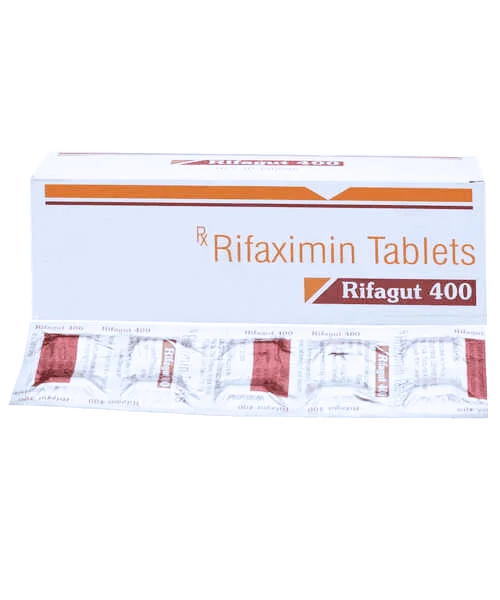
This medication is intended for adults, although pediatric use may be recommended in selected cases under specialist supervision. Rifagut is a branded formulation of rifaximin, which is also available as generic rifaximin in many countries. Common international brand names include Xifaxan®, while Rifagut provides the same active ingredient at a more affordable cost in many markets.
Rifagut is available through licensed pharmacies and authorized online pharmacies with a valid prescription. Although it is highly effective in controlling bacterial overgrowth and intestinal infections, it does not cure underlying chronic digestive diseases or liver disorders. Continued medical follow-up and treatment of the underlying condition remain important.
Benefits of Rifagut:
Rifagut 400 mg offers targeted antibacterial action within the digestive tract while causing minimal absorption into the bloodstream. This localized activity allows it to effectively reduce harmful intestinal bacteria without significantly affecting other parts of the body.
Many patients begin experiencing improvement in diarrhea and abdominal discomfort within 24 to 48 hours, although completing the prescribed course is essential even if symptoms improve sooner. For patients with IBS-D, symptom improvement may develop gradually over several days to weeks. In individuals with hepatic encephalopathy, Rifagut helps lower ammonia-producing bacteria, reducing the likelihood of recurrent episodes of confusion and impaired mental function.
Compared with many traditional broad-spectrum antibiotics, rifaximin is associated with a lower risk of widespread bacterial resistance and fewer systemic adverse effects because it remains largely within the intestines. Generic rifaximin formulations, including Rifagut, are often more affordable than branded alternatives, making long-term treatment more accessible for eligible patients.
Patients commonly choose Rifagut 400 mg because it combines effective intestinal antibacterial therapy with a favorable safety profile and convenient oral dosing.
Working of Rifagut:
The active ingredient in Rifagut is Rifaximin, a rifamycin antibiotic.
Bacterial infections and bacterial overgrowth within the intestines can cause inflammation, diarrhea, abdominal discomfort, bloating, and excessive gas. In patients with liver disease, intestinal bacteria also produce ammonia and other toxins that contribute to hepatic encephalopathy.
Rifaximin works by binding to the DNA-dependent RNA polymerase enzyme found inside susceptible bacteria. This enzyme is essential for bacterial RNA production and protein synthesis. By blocking bacterial RNA synthesis, rifaximin prevents bacteria from growing and multiplying.
Because rifaximin is minimally absorbed after oral administration, high concentrations remain inside the intestinal tract where the infection or bacterial imbalance occurs. This targeted action helps preserve much of the normal bacterial flora outside the digestive tract while reducing harmful bacteria.
Precautions for Rifagut:
Before taking Rifagut 400 mg, inform your healthcare provider if you have an allergy to rifaximin, rifamycin antibiotics (such as rifampin), or any inactive ingredients in the tablet.
Although rifaximin is minimally absorbed, pregnant or breastfeeding women should use the medication only if clearly recommended by their healthcare provider.
Long-term or repeated use may increase the risk of antibiotic-resistant bacteria or fungal infections. Always follow the prescribed dosage and duration.
Tell your healthcare provider about all prescription medicines, over-the-counter products, herbal supplements, and vitamins before starting treatment.
Side Effects of Rifagut:
These side effects are usually mild and temporary:
Common Side Effects
- Abdominal pain
- Bloating
- Constipation
- Mild diarrhea
- Dizziness
Serious Side Effects
- Severe allergic reaction
- Difficulty breathing
- Severe or persistent diarrhea
- High fever
Warnings for Rifagut:
Rifagut 400 mg may interact with several medications, including cyclosporine, warfarin, certain antifungal medicines, and other drugs that affect liver enzymes. Your healthcare provider may adjust your treatment if necessary.
Do not use Rifagut to treat viral infections such as the common cold or influenza, as antibiotics are ineffective against viruses.
Patients with severe liver impairment should use rifaximin under close medical supervision because higher systemic absorption may occur.
Avoid taking unnecessary antibiotics, as misuse contributes to antibiotic resistance. Never share this antibiotic medication with others or use leftover tablets for future illnesses.
Store Rifagut 400 mg in a cool, dry place below room temperature, protected from heat, moisture, and direct sunlight. Keep out of reach of children.