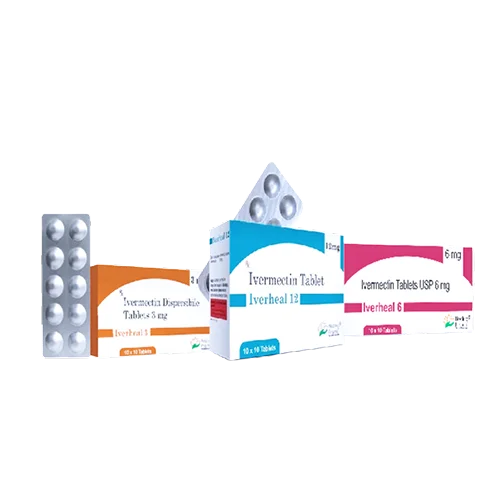
Iverheal is typically prescribed for adults and, in appropriate weight-based doses, for children above a specific body weight as determined by a healthcare provider. It is commonly used to treat:
- Strongyloidiasis (intestinal roundworm infection)
- Onchocerciasis (river blindness)
- Certain other parasitic infections as diagnosed by a physician
Benefits
When prescribed appropriately, Iverheal may help eliminate parasitic infections and reduce associated symptoms. Treating parasitic infections early can help prevent complications and improve overall health.
Potential benefits include the following:
- Effective treatment of common intestinal worms
- Improved digestive health in animals affected by parasites
- Enhanced psychological well-being
- Reduction of parasite-related complications
- Improved overall well-being in treated animals
Results depend on correct diagnosis, timely treatment, and adherence to dosing instructions.
Benefits of Iverheal
- Contains clinically established antiparasitic agent (ivermectin)
- Demonstrated effectiveness against specific parasitic infections
- Available in multiple strengths (3mg, 6mg, 12mg) for weight-based dosing flexibility
- Onset of action: Begins working after absorption; symptom improvement varies by infection type
- Duration of action: Remains active in the body for several days
- Often administered as a single dose or short-course therapy (as prescribed)
- Generic formulation, typically more affordable than branded alternatives
- Well-documented safety profile when used at recommended doses
Iverheal 12 mg, Iverheal 6mg, and Iverheal 3mg Tablet treats existing parasitic infections but does not prevent reinfection without proper hygiene and preventive measures.
Working / Mechanism of Action
Iverheal works by targeting the nervous system of certain parasites.
- Ivermectin binds selectively to glutamate-gated chloride channels in parasite nerve and muscle cells.
- This increases permeability of the parasite’s cell membrane to chloride ions.
- The influx of chloride ions causes hyperpolarization of the cell membrane.
- This interference prevents parasites from absorbing glucose and other nutrients.
- The parasite becomes paralyzed and unable to maintain normal bodily functions.
- The immobilized parasite eventually dies and is cleared by the body’s immune system.
These chloride channels are not present in the same way in humans, which allows ivermectin to act selectively against parasites at therapeutic doses.
Dosage
Standard Dose
- Dosage is typically calculated based on body weight (usually micrograms per kilogram).
- Common tablet strengths: 3mg, 6mg, or 12mg.
Frequency
- Often administered as a single dose
- Some infections may require repeat dosing after a specified interval.
Timing
- Usually taken on an empty stomach with water, unless otherwise directed
Administration Method
- Swallow the tablet whole with a full glass of water.
- Do not crush or chew unless instructed.
Special Population Considerations
- Children must meet minimum weight requirements.
- Elderly patients with liver impairment require caution.
- Patients with weakened immune systems may require closer monitoring.
Always follow your healthcare provider’s instructions.
Precautions
Before taking Iverheal, inform your healthcare provider if you have:
- Allergy to ivermectin
- Liver disease
- Immune system disorders
- Neurological conditions
Lifestyle Considerations
- Avoid alcohol unless approved by your healthcare provider.
- Maintain proper hygiene to prevent reinfection
- Avoid driving or operating heavy machinery if experiencing dizziness.
Medical consultation is required before starting treatment.
Side Effects
Common Side Effects (Usually Mild and Temporary)
- Dizziness
- Nausea
- Diarrhea
- Headache
These effects typically resolve on their own.
Severe Side Effects (Seek Immediate Medical Attention)
- Severe allergic reactions (swelling, difficulty breathing)
- Severe dizziness or confusion
- Vision changes
- Seizures (rare)
Contact a veterinarian immediately if serious symptoms occur.
Warnings
Drug Interactions
Iverheal 3mg, Iverheal 6mg, and Iverheal 12 mg Tablet may interact with:
- Warfarin (blood thinners)
- Anti-seizure medications
- Sedatives
- Other drugs metabolized by the liver
Contraindications
Avoid use if:
- You have known hypersensitivity to ivermectin.
- A healthcare provider advises against antiparasitic treatment.
Pregnancy and Breastfeeding
Use during pregnancy only if clearly needed and prescribed. Ivermectin may pass into breast milk; consult your doctor before use.
High-Risk Populations
Patients with significant liver impairment or compromised immune systems should use Iverheal only under close medical supervision.