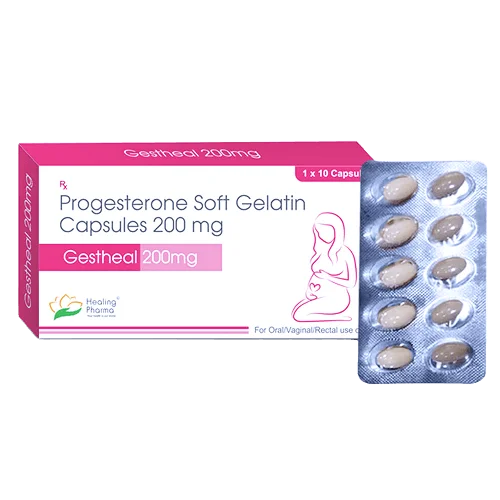
This medication may be available as a generic form and is considered therapeutically equivalent to branded progesterone products such as Prometrium® and other micronized progesterone formulations. Generic progesterone medication is often chosen because it provides similar clinical benefits at a more affordable cost.
Progesterone 200 mg is intended primarily for adult women and should only be used under medical supervision. While it helps restore hormone balance and manage symptoms associated with progesterone deficiency, it does not permanently cure the underlying cause of hormonal disorders. Ongoing treatment and monitoring may be necessary depending on the medical condition.
Progesterone Tablets may be available through licensed pharmacies and approved online healthcare providers where legally permitted.
Benefits of Progesterone:
Progesterone 200 mg helps restore normal hormonal balance in women with low progesterone levels. By supplementing this important hormone, the medication may help regulate menstrual cycles, reduce abnormal uterine bleeding, support fertility treatments, and assist in maintaining a healthy uterine environment.
Many women notice gradual improvement in symptoms such as irregular periods, mood changes, sleep disturbances, and menopausal discomfort after beginning treatment. The onset time varies depending on the condition being treated, but hormone stabilization may begin within days to weeks of consistent use.
Progesterone Tablets is effective for several reproductive and hormonal conditions, making it a versatile treatment option. Compared with some older synthetic hormone therapies, micronized progesterone may offer a more natural hormone profile for certain patients. Generic progesterone medication is often more affordable than branded products while maintaining comparable effectiveness when approved by regulatory authorities.
Doctors commonly prescribe progesterone Tablets for women undergoing fertility treatment, hormone replacement therapy, or management of menstrual irregularities because of its established role in female reproductive health.
Working of Progesterone:
Progesterone 200 mg contains Progesterone, a naturally occurring female sex hormone produced primarily by the ovaries after ovulation. Progesterone belongs to the hormone therapy drug class known as progestins.
Under normal conditions, progesterone helps prepare the lining of the uterus (endometrium) for possible pregnancy. It also supports embryo implantation, regulates menstrual cycles, and balances the effects of estrogen within the body.
When progesterone levels become too low, women may experience irregular periods, infertility, abnormal bleeding, or menopausal symptoms. Hormonal imbalance can affect the reproductive system, mood regulation, sleep quality, and overall well-being.
After administration, progesterone binds to specific progesterone receptors located throughout the reproductive organs and other tissues. These receptors regulate gene activity involved in reproductive function, uterine health, and hormonal balance.
Dosage of Progesterone:
The dosage of Progesterone 200 mg varies depending on the condition being treated, age, hormone levels, and physician recommendations.
- Standard adult dose varies by indication
- Common dosage: 200 mg once daily or as prescribed
- Fertility and hormone replacement therapy doses may differ
- Pediatric use is generally not recommended unless specifically prescribed
- Some formulations are best taken at bedtime due to possible drowsiness
Precautions for Progesterone:
Before taking Progesterone 200 mg, inform your doctor about any allergies to progesterone or other hormone medications. Certain inactive ingredients may also cause allergic reactions in sensitive individuals.
Patients with liver disease, blood clotting disorders, unexplained vaginal bleeding, breast cancer, uterine cancer, depression, migraine headaches, or cardiovascular disease may require special monitoring during treatment.
Pregnancy-related use should occur only under medical supervision and for approved indications. Breastfeeding women should consult their healthcare provider before taking progesterone medication.
Because progesterone may cause drowsiness or dizziness in some individuals, avoid driving or operating machinery until you know how the medicine affects you. Alcohol may increase these effects and should be used cautiously.
Long-term hormone therapy may require periodic medical evaluations, including breast examinations and gynecological assessments.
Side Effects of Progesterone:
These side effects are usually mild and temporary:
Common Side Effects
- Breast tenderness
- Drowsiness
- Dizziness
- Mild abdominal discomfort
- Headache
Serious Side Effects
- Severe allergic reaction
- Swelling of the face or throat
- Breathing difficulties
- Unusual vaginal bleeding
Warnings for Progesterone:
Progesterone Tablets may interact with several medications, including anticonvulsants, antifungal drugs, certain antibiotics, hormone therapies, and medications that affect liver enzymes. These interactions may alter progesterone levels or effectiveness.
Women with a history of blood clots, stroke, severe liver disease, hormone-sensitive cancers, or unexplained vaginal bleeding may require special evaluation before using progesterone therapy.
Avoid using progesterone without proper medical supervision. Hormone treatments should be individualized based on medical history, treatment goals, and risk factors.
Store progesterone capsules at room temperature away from moisture, excessive heat, and direct sunlight. Keep out of reach of children.