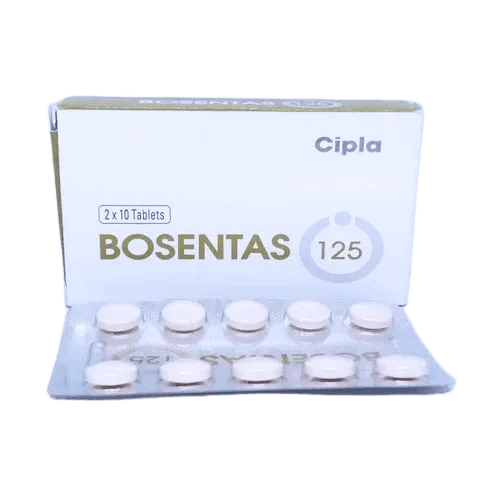
Bosentas is considered a therapeutic equivalent to branded Bosentan products such as Tracleer®, depending on local regulatory approval and prescribing guidelines. It is available through pharmacies and licensed online healthcare providers with a valid prescription.
While Bosentas can help manage symptoms and improve quality of life, it does not cure pulmonary arterial hypertension or the underlying cause of the disease. Ongoing medical monitoring and long-term treatment are usually required.
Benefits of Bosenlee:
Bosentas 125 mg may help improve exercise capacity, reduce shortness of breath, and support better overall physical functioning in people living with pulmonary arterial hypertension. By lowering pressure within the pulmonary arteries, the medication may help reduce the workload placed on the heart.
Many patients experience gradual improvement in symptoms over several weeks of consistent treatment. Bosentas offers the convenience of oral administration and is often used as part of a long-term treatment plan. Compared with some branded alternatives, Bosentas may provide a more affordable option for patients requiring ongoing therapy.
Doctors commonly prescribe bosentan because it targets an important disease pathway involved in pulmonary hypertension. Its effectiveness has been studied extensively in patients with PAH, making it a well-established heart care medication in appropriate clinical settings.
Working of Bosenlee:
Bosentas contains Bosentan, an endothelin receptor antagonist. In pulmonary arterial hypertension, the body produces excessive amounts of a naturally occurring substance called endothelin-1.
Endothelin-1 causes blood vessels in the lungs to narrow and thicken. This narrowing increases resistance to blood flow and forces the heart to work harder to pump blood through the lungs.
Bosentan works by blocking endothelin receptors (ETA and ETB receptors) located on blood vessel walls. When these receptors are blocked, endothelin-1 cannot exert its vessel-constricting effects.
Precautions for Bosenlee:
Before starting Bosentas 125 mg, inform your healthcare provider about any allergies to Bosentan or other medications. Patients with liver disease, anemia, kidney impairment, low blood pressure, or existing heart conditions may require additional monitoring.
Bosentan has been associated with liver toxicity, making regular liver function testing important throughout treatment. Women of childbearing potential should use reliable contraception because Bosentan may cause serious harm to an unborn baby.
Breastfeeding is generally not recommended unless specifically approved by a healthcare professional. Elderly patients may require closer monitoring due to age-related health conditions.
Avoid self-adjusting the dose and inform your doctor about all prescription medications, supplements, and herbal products you use.
Side Effects of Bosenlee:
These side effects are usually mild and temporary:
Common Side Effects
- Nasal congestion
- Nausea
- Stomach discomfort
- Swelling of the ankles or feet
- Headache
Serious Side Effects
- Severe allergic reaction
- Breathing difficulties
- Dark-colored urine
- Rapid worsening of shortness of breath
Warnings for Bosenlee:
Bosentas 125 mg may interact with several medications, including cyclosporine, glyburide, rifampin, HIV medicines, antifungal medications, anticoagulants, and hormonal contraceptives. These interactions may increase side effects or reduce treatment effectiveness.
The medicine should not be used during pregnancy due to the risk of serious fetal harm. Patients with moderate to severe liver disease may not be suitable candidates for Bosentan therapy.
Regular monitoring of liver function and blood counts is recommended during treatment. Medical supervision is essential to ensure safe and effective use.
Avoid misuse or overdose, as excessive dosing may result in dangerously low blood pressure and other serious complications.