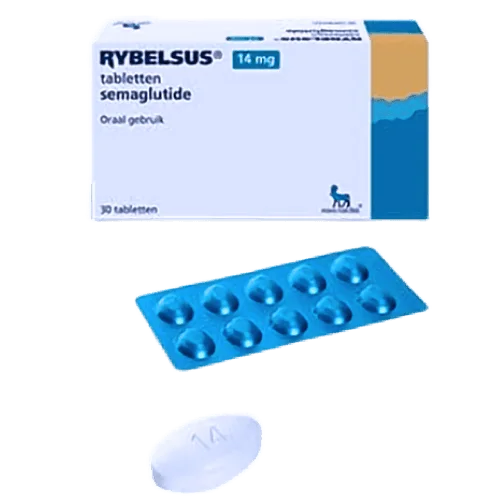
Rybelsus is a branded semaglutide tablet formulation and is related to other semaglutide-based medicines such as Ozempic and Wegovy, although these products differ in dosage form and approved uses. Unlike injectable GLP-1 medicines, Rybelsus is available as an oral tablet, making it a convenient option for many patients seeking non-injectable diabetes treatment.
Although Rybelsus for type 2 diabetes may help improve blood glucose control and support weight management in some individuals, it does not cure diabetes. Ongoing medical care, dietary management, and regular monitoring remain important parts of treatment.
Rybelsus medicine is available through licensed pharmacies and approved online pharmacy platforms with a valid prescription.
Benefits of Rybelsus:
Rybelsus 14 mg helps lower blood sugar levels by supporting the body’s natural insulin response and reducing excess glucose production in the liver. Many patients using Rybelsus tablets experience improved blood glucose control, better energy levels, and reduced fluctuations in blood sugar throughout the day.
One advantage of Rybelsus medicine is its convenient once-daily oral administration, which may appeal to individuals who prefer tablets instead of injectable diabetes medications. Some patients may also notice gradual weight reduction during treatment, particularly when combined with healthy eating and exercise habits.
Compared with some older diabetes medications, semaglutide tablets may provide improved long-term blood sugar control with a lower risk of causing severe hypoglycemia when used appropriately. Doctors often prescribe Rybelsus because of its proven effectiveness, modern GLP-1 receptor agonist mechanism, and ability to support multiple aspects of type 2 diabetes management.
Although Rybelsus price may vary depending on pharmacy and insurance coverage, many patients choose it because of its clinical effectiveness, once-daily dosing convenience, and growing availability through online pharmacy services.
Working of Rybelsus:
Rybelsus 14 mg contains semaglutide, a GLP-1 receptor agonist that mimics the action of a naturally occurring hormone in the body called glucagon-like peptide-1 (GLP-1).
In people with type 2 diabetes, the body may not use insulin effectively, and blood sugar levels can remain elevated after meals. Excess glucose in the bloodstream over time may damage blood vessels, nerves, kidneys, and other organs.
Semaglutide works by activating GLP-1 receptors in the pancreas and digestive system. This action helps the body release insulin when blood sugar levels rise after eating. At the same time, it reduces the release of glucagon, a hormone that normally increases blood sugar production in the liver.
Unlike insulin injections, Rybelsus works by enhancing the body’s natural glucose regulation processes rather than directly replacing insulin.
Dosage of Rybelsus:
The dosage of Rybelsus 14 mg should always be determined by a healthcare provider based on blood sugar control, treatment response, and overall health condition.
- Treatment often begins with Rybelsus 3 mg once daily
- The dose may gradually increase to 7 mg
- Rybelsus 14 mg is commonly used as a maintenance dose if additional glucose control is needed
- Intended for adults with type 2 diabetes
- Not generally approved for children
Precautions for Rybelsus:
Before using Rybelsus 14 mg, inform your doctor about any allergies to semaglutide or related medications. Patients with a history of pancreatitis, diabetic retinopathy, kidney disease, gallbladder disease, or severe gastrointestinal disorders may require closer monitoring during treatment.
Pregnant or breastfeeding women should consult a healthcare professional before using semaglutide tablets because safety data may be limited in certain situations. Elderly patients may also need dosage adjustments depending on kidney function and overall health status.
Alcohol intake should be moderated because it may affect blood sugar control and increase the risk of gastrointestinal side effects. Patients experiencing dizziness or weakness should avoid driving or operating machinery until symptoms improve.
Long-term use requires regular blood sugar monitoring and routine medical follow-up. Patients should never change the dosage or stop treatment without consulting their healthcare provider.
Side Effects of Rybelsus:
These side effects are usually mild and temporary:
Common Side Effects
- Vomiting
- Nausea
- Diarrhea
- Stomach discomfort
- Headache
Serious Side Effects
- Severe allergic reaction
- Swelling of the face or throat
- Severe abdominal pain
- Severe dizziness or fainting
Warnings for Rybelsus:
Rybelsus 14 mg may interact with insulin, sulfonylureas, oral diabetes medications, and medicines that affect blood sugar levels. Because semaglutide slows stomach emptying, it may also affect how certain oral medications are absorbed.
Patients with a personal or family history of medullary thyroid carcinoma or multiple endocrine neoplasia syndrome type 2 (MEN 2) should generally avoid GLP-1 receptor agonists unless specifically advised by a specialist. Individuals with severe gastrointestinal disease or a pancreatitis history may require alternative treatment options.
Medical supervision is important during treatment, especially when adjusting dosage or combining Rybelsus with other diabetes medications. Routine blood sugar checks and follow-up appointments help monitor effectiveness and reduce the risk of complications.
Store Rybelsus tablets at room temperature away from moisture, excessive heat, and direct sunlight.