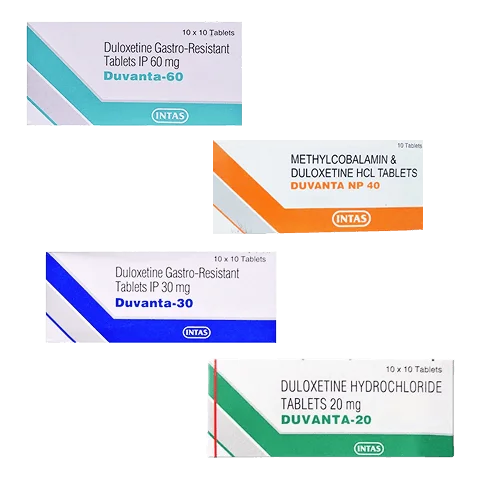
This medication is considered a branded formulation of Duloxetine and is therapeutically comparable to medicines such as Cymbalta and other duloxetine-based antidepressants. Duvanta is available through licensed pharmacies and online depression medication platforms with a valid medical prescription.
Although Duvanta can help control symptoms and improve daily functioning, it does not permanently cure depression, anxiety, or chronic pain disorders. Ongoing medical supervision and consistent treatment may be necessary for long-term symptom management.
Benefits of Duvanta:
Duvanta Tablet is widely used because it can improve both emotional and physical symptoms associated with depression and anxiety disorders. Many patients experience better mood stability, improved sleep, enhanced concentration, and reduced nervousness after regular use. In patients with nerve-related pain conditions, Duvanta may also help reduce burning sensations, tingling, and chronic discomfort.
One of the important advantages of Duvanta is its dual-action antidepressant mechanism, which targets both serotonin and norepinephrine pathways in the brain. This allows the medication to manage multiple symptoms simultaneously, making it useful for patients dealing with emotional stress and chronic pain together.
The onset time may vary among individuals, but some patients notice early symptom improvement within 1 to 2 weeks, while full therapeutic benefits often develop gradually over 4 to 6 weeks. Duvanta is also commonly preferred because it is available in multiple dosage strengths, offers convenient once-daily dosing in many cases, and is often more affordable than some branded anti depression meds.
Compared to older antidepressants, Duvanta may provide broader symptom relief with fewer sedative effects in certain patients. Healthcare providers frequently prescribe this medicine because of its effectiveness across several mental health and pain-related conditions.
Working of Duvanta:
Duvanta Tablet contains Duloxetine, an SNRI antidepressant that works by affecting neurotransmitters in the brain known as serotonin and norepinephrine. These chemical messengers help regulate mood, emotional responses, stress levels, pain signals, concentration, and sleep patterns.
In conditions such as depression and anxiety, the balance of serotonin and norepinephrine may become disrupted. Low activity of these neurotransmitters can contribute to sadness, fatigue, anxiety, irritability, and difficulty focusing. In chronic pain disorders, abnormal nerve signaling may increase pain sensitivity and discomfort.
Duvanta blocks the reuptake of serotonin and norepinephrine in nerve cells. This increases the availability of these neurotransmitters between neurons, improving communication within the nervous system.
As neurotransmitter balance gradually improves, patients may experience:
- Reduced symptoms of depression
- Improved emotional stability
- Reduced anxiety and nervousness
- Better concentration and mental clarity.
- Improved sleep quality
- Relief from chronic nerve pain and body discomfort
The medication works gradually over time, which is why consistent daily use is important for achieving optimal therapeutic results.
Dosage of Duvanta:
The dosage of Duvanta Tablet depends on the condition being treated, symptom severity, age, medical history, and response to therapy. Always use this medication exactly as prescribed by your healthcare provider.
- Duvanta 20 mg: Often used as a starting dose for sensitive patients
- Duvanta 30 mg: Common initial dose for anxiety and depression
- Duvanta 40 mg: Used in selected treatment plans based on patient response
- Duvanta 60 mg: Frequently prescribed maintenance dose for depression and chronic pain
Precautions for Duvanta:
Before using Duvanta Tablet, inform your healthcare provider about any allergies to duloxetine or inactive ingredients present in the medicine. Patients with liver disease, kidney problems, high blood pressure, glaucoma, seizures, bipolar disorder, diabetes, or heart disease may require careful monitoring during treatment.
Pregnant or breastfeeding women should use Duvanta only when clearly recommended by a healthcare professional. Elderly patients may be more sensitive to side effects such as dizziness, falls, or low sodium levels.
Alcohol should be avoided or limited while taking Duvanta because it may increase drowsiness and raise the risk of liver-related complications. Some patients may experience dizziness or sleepiness, so driving or operating heavy machinery should be avoided until the body adjusts to the medication.
Long-term use should be monitored regularly to evaluate effectiveness and possible side effects. Never change the dosage without consulting your doctor.
Side Effects of Duvanta:
These side effects are usually mild and temporary:
Common Side Effects
- Nausea
- Dry mouth
- Sleepiness or fatigue
- Dizziness
- Headache
- Reduced appetite
Serious Side Effects
- Severe allergic reaction
- Breathing difficulties
- Severe dizziness or fainting
- Irregular heartbeat
- Suicidal thoughts or mood changes
Warnings for Duvanta:
Duvanta Tablet may interact with several prescription and non-prescription medications, including MAO inhibitors, blood thinners, migraine medications, NSAIDs, antidepressants, and herbal supplements such as St. John’s Wort. Certain interactions may increase the risk of serotonin syndrome, bleeding complications, or severe nervous system effects.
Patients with severe liver disease, uncontrolled glaucoma, seizure disorders, or certain psychiatric conditions should use this medicine cautiously. Alcohol use may increase dizziness and liver-related risks.
Medical supervision is especially important during the early stages of therapy because some patients may experience worsening depression, behavioral changes, or suicidal thoughts. Abrupt discontinuation can lead to withdrawal symptoms such as irritability, dizziness, nausea, and sleep disturbances.
Store Duvanta at room temperature away from moisture, heat, and direct sunlight. Keep out of reach of children and pets.