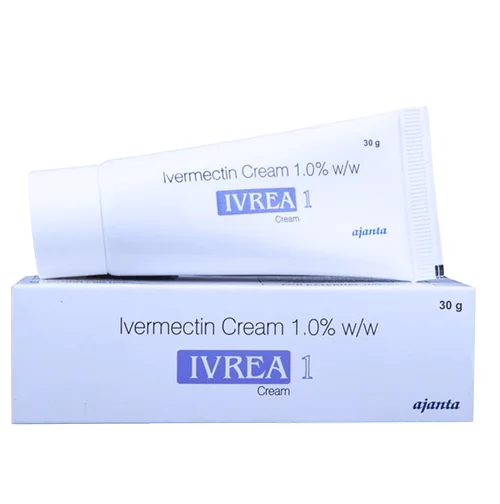
Ivermectin Cream 1% works only when applied directly to affected skin areas. Its action is localized, meaning it is designed to treat skin-related conditions and does not work systemically like oral ivermectin tablets. It should be used strictly for medically diagnosed skin conditions under professional guidance.
Benefits
When used as directed, Ivermectin Cream 1% may help reduce inflammatory lesions and improve skin appearance in patients with rosacea. Managing rosacea can improve both physical comfort and emotional well-being.
Potential benefits include the following:
- Effective treatment of common intestinal worms
- Improved digestive health in animals affected by parasites
- Enhanced psychological well-being
- Reduction of parasite-related complications
- Improved overall well-being in treated animals
Outcomes depend on infection type, severity, and adherence to medical instructions.
Benefits of Ivermectin Cream 1%
- Contains clinically established antiparasitic agent (ivermectin)
- Demonstrated effectiveness against specific parasitic infections
- Available in multiple strengths (3mg, 6mg, 12mg) for weight-based dosing flexibility
- Onset of action: Begins working after absorption; symptom improvement varies by infection type
- Duration of action: Remains active in the body for several days
- Often administered as a single dose or short-course therapy (as prescribed)
- Generic formulation, typically more affordable than branded alternatives
- Well-documented safety profile when used at recommended doses
Ivermectin Cream 1% helps manage rosacea symptoms but does not permanently cure the condition.
Working / Mechanism of Action
Ivermectin Cream 1% works through both antiparasitic and anti-inflammatory mechanisms.
Step-by-step mechanism:
- Ivermectin binds selectively to glutamate-gated chloride channels in parasite nerve and muscle cells.
- This increases permeability of the parasite’s cell membrane to chloride ions.
- The influx of chloride ions causes hyperpolarization of the cell membrane.
- This interference prevents parasites from absorbing glucose and other nutrients.
- The parasite becomes paralyzed and unable to maintain normal bodily functions.
- The immobilized parasite eventually dies and is cleared by the body’s immune system.
By reducing both parasite presence and inflammation, the cream helps improve rosacea-related lesions.
Dosage
Standard Dose
- Apply a thin layer of Ivermectin Cream 1% to affected areas once daily, as prescribed.
Frequency
- Typically applied once daily
Timing
- Apply at approximately the same time each day for consistent results.
Administration Method
- Wash and dry the affected area before application.
- Apply a pea-sized amount to each affected facial area (forehead, chin, nose, each cheek) unless directed otherwise.
- Avoid contact with eyes, lips, and inside the nose.
- Wash hands after application.
Special Population Considerations
- Children must meet minimum weight requirements.
- Elderly patients with liver impairment require caution.
- Patients with weakened immune systems may require closer monitoring.
Always follow your healthcare provider’s instructions.
Precautions
Before using Ivermectin Cream 1%, inform your healthcare provider if you have the following:
- Allergy to ivermectin
- Severe skin infections
- Other chronic dermatological conditions
Lifestyle Considerations
- Avoid alcohol unless approved by your healthcare provider.
- Maintain proper hygiene to prevent reinfection
- Avoid driving or operating heavy machinery if experiencing dizziness.
Medical consultation is required before starting treatment.
Side Effects
Common Side Effects (Usually Mild and Temporary)
- Dizziness
- Nausea
- Diarrhea
- Headache
These effects typically resolve on their own.
Severe Side Effects (Seek Immediate Medical Attention)
- Severe allergic reactions (swelling, difficulty breathing)
- Severe dizziness or confusion
- Vision changes
- Seizures (rare)
Seek immediate medical attention if serious symptoms occur.
Warnings
Drug Interactions
Because absorption into the bloodstream is minimal, systemic drug interactions are uncommon. However, inform your healthcare provider about all medications and topical treatments you are using.
Contraindications
Avoid use if:
- You have known hypersensitivity to ivermectin.
- A healthcare provider advises against antiparasitic treatment.
Pregnancy and Breastfeeding
Use during pregnancy only if clearly needed and prescribed. Ivermectin may pass into breast milk; consult your doctor before use.
High-Risk Populations
Individuals with severe skin conditions or immune disorders should use Ivermectin Cream 1% medication under close supervision.