Last Updated on February 11, 2026 by Bryan Dastan
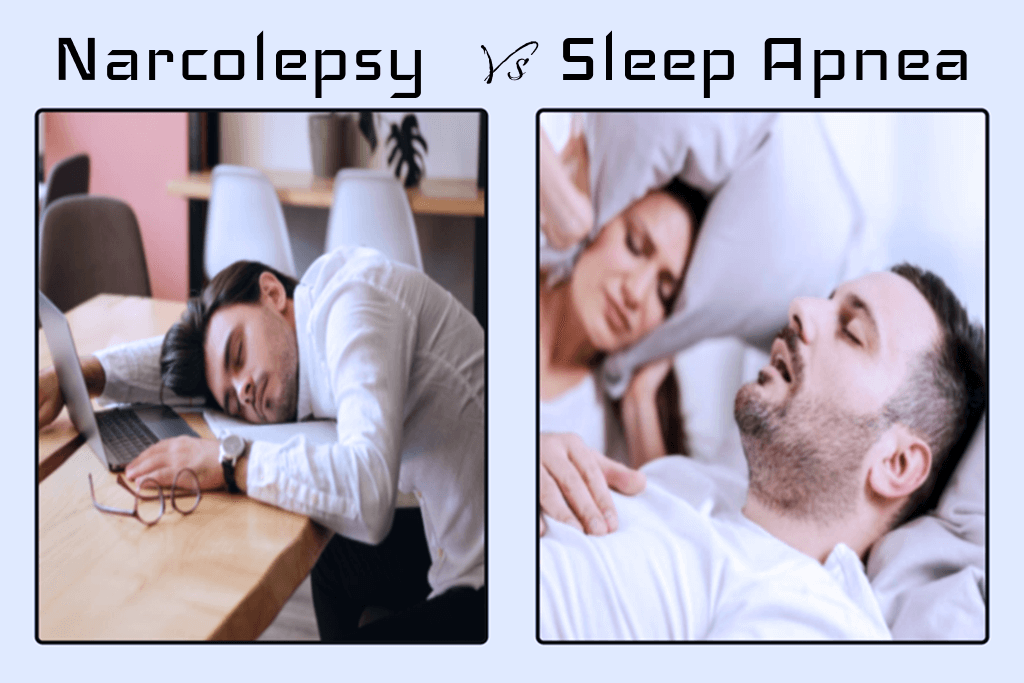
Feeling constantly tired during the day can be frustrating and worrying. You may struggle to stay awake during meetings, while reading, or even during conversations. For some people, this overwhelming sleepiness may be linked to a sleep disorder such as narcolepsy or sleep apnea.
Although both conditions affect sleep and alertness, they are very different disorders. Narcolepsy involves problems with how the brain regulates sleep. Sleep apnea, on the other hand, involves repeated interruptions in breathing during sleep.
Symptoms of Narcolepsy and Sleep Apnea
Both narcolepsy and sleep apnea can cause excessive daytime sleepiness. However, the reason behind that sleepiness is different in each condition.
Sleep Apnea Symptoms
Sleep apnea disrupts sleep because breathing repeatedly stops and starts during the night. These pauses may last seconds or even longer, and they often occur many times per hour.
Common signs and symptoms include:
- Repeated breathing pauses during sleep
- Loud, chronic snoring
- Gasping or choking during sleep
- Frequent awakenings
- Morning headaches
- Dry mouth upon waking
- Poor concentration
- Excessive daytime fatigue
Many people with sleep apnea are unaware of the breathing pauses. A bed partner may notice the symptoms first.
Narcolepsy Symptoms
Narcolepsy affects the brain’s control of sleep and wakefulness. People with narcolepsy may experience:
- Excessive daytime sleepiness
- Sudden “sleep attacks” during the day
- Cataplexy (sudden muscle weakness triggered by emotions such as laughter)
- Sleep paralysis (temporary inability to move when falling asleep or waking)
- Vivid hallucinations while falling asleep or waking
- Fragmented nighttime sleep
Cataplexy can range from mild eyelid drooping to complete collapse while remaining conscious.
How Symptoms Overlap
Both conditions can cause:
- Daytime sleepiness
- Trouble concentrating
- Fatigue
However, sleep apnea causes sleepiness because breathing disruptions prevent restorative sleep. Narcolepsy causes sleepiness because the brain cannot properly regulate sleep cycles.
Causes of Narcolepsy and Sleep Apnea
The causes of narcolepsy and sleep apnea are different, although both may involve complex biological factors.
Sleep Apnea Causes
Sleep apnea is classified into three main types:
1. Obstructive Sleep Apnea (OSA)
This is the most common type. It occurs when the airway becomes physically blocked during sleep.
Possible contributing factors include:
- Obesity
- Enlarged tonsils
- Large neck circumference
- Jaw or airway structure
- Nasal congestion
2. Central Sleep Apnea (CSA)
This type occurs when the brain does not send proper signals to control breathing during sleep.
It may be linked to:
- Heart failure
- Stroke
- Neurological conditions
- Certain medications
3. Complex Sleep Apnea
A combination of obstructive and central sleep apnea.
Narcolepsy Causes
Narcolepsy is divided into two main types:
Type 1 Narcolepsy
Includes cataplexy. Most people with this type have low levels of a brain chemical called hypocretin (also known as orexin). Hypocretin helps regulate wakefulness.
Possible contributing factors include:
- Autoimmune responses (where the immune system mistakenly attacks healthy cells)
- Genetic susceptibility
- Brain injury (in rare cases)
Type 2 Narcolepsy
Does not include cataplexy. The exact cause is less well understood.
Unlike sleep apnea, narcolepsy is not caused by airway blockage. It is considered a neurological condition.
Can You Have Both Conditions?
Research suggests that it is possible for a person to have both narcolepsy and sleep apnea. The two conditions do not directly cause each other, but they can occur together.
Some studies indicate that obstructive sleep apnea may be more common in people with narcolepsy than in the general population. Factors such as weight gain, medication effects, or shared risk factors may contribute to this overlap.
Having both conditions can complicate diagnosis because:
- Both cause daytime sleepiness
- Symptoms may overlap
- One condition may mask the other.
Proper sleep testing, including overnight sleep studies and specialized tests for narcolepsy, is often necessary for accurate diagnosis.
Other Causes of Daytime Sleepiness
Narcolepsy and sleep apnea are not the only causes of excessive sleepiness. Other possibilities include:
- Chronic sleep deprivation
- Insomnia
- Depression
- Anxiety disorders
- Thyroid disorders (such as hypothyroidism)
- Medication side effects
- Restless legs syndrome
- Chronic medical conditions
Daytime fatigue does not automatically mean you have a sleep disorder. A healthcare professional can help determine the underlying cause.
Diagnosis and Treatment
Accurate diagnosis is essential because treatment differs significantly between narcolepsy and sleep apnea.
Sleep Apnea Treatment
Treatment aims to improve airflow during sleep and address underlying causes.
Common options include
- CPAP (Continuous Positive Airway Pressure): A machine that delivers steady air pressure through a mask to keep the airway open.
- BiPAP (Bilevel Positive Airway Pressure): Similar to CPAP but uses different pressure levels for inhaling and exhaling.
- Weight management: May reduce airway obstruction in some individuals.
- Dental appliances: Devices that reposition the jaw to keep the airway open.
- Surgery: In selected cases to remove tissue or correct structural problems.
Treatment decisions depend on severity and individual health factors.
Narcolepsy Treatment
Narcolepsy treatment focuses on managing symptoms.
Treatments may include:
- Scheduled short naps during the day
- Maintaining consistent sleep routines
- Stimulant medications to promote alertness
- Sodium oxybate to improve nighttime sleep and reduce cataplexy
- Certain antidepressants to manage cataplexy
Lifestyle adjustments are also important, including good sleep hygiene and regular sleep schedules.
Treatment may include Modafinil 200mg, but plans should always be individualized and supervised by a healthcare professional.
When to See a Doctor
You should consider speaking with a healthcare provider if:
- Daytime sleepiness interferes with work, school, or daily activities.
- You experience breathing pauses during sleep.
- You wake up gasping or choking.
- You have sudden muscle weakness triggered by emotions.
- You fall asleep unexpectedly during important activities.
- You feel unsafe driving due to sleepiness.
Excessive sleepiness can increase the risk of accidents and affect overall health. Early evaluation can improve outcomes.
Conclusion
Narcolepsy and sleep apnea are both serious but treatable sleep disorders. Although they share the symptom of daytime sleepiness, their causes and treatments are very different.
In some cases, a person may have both conditions. Proper diagnosis through medical evaluation and sleep testing is essential for effective treatment.
If you are struggling with persistent fatigue or unusual sleep symptoms, seeking professional advice is an important first step. With the right support, most people can significantly improve their sleep and quality of life.